Buddy Hive
8 min read · Oct 11, 2026
NoteThis guide gives you an overview of the process, so you know what to expect and can take each step with confidence. Things might change over time as authorities come up with new rules and fees. Before you apply, pay or sign anything always check official websites or call the respective authority if things are not clear. This guide was last checked in October 2026.
Swedish förskola (preschool) and school are mostly public, free or cheap, and good. Children who live in Sweden have the right to a place. The hard part for newcomers is timing: förskola queues and popular schools fill up, and most applications need a personnummer and BankID.
This guide uses Stockholm for examples. Every kommun follows the same national rules, but application forms, dates and queues differ, so check your own kommun's website.
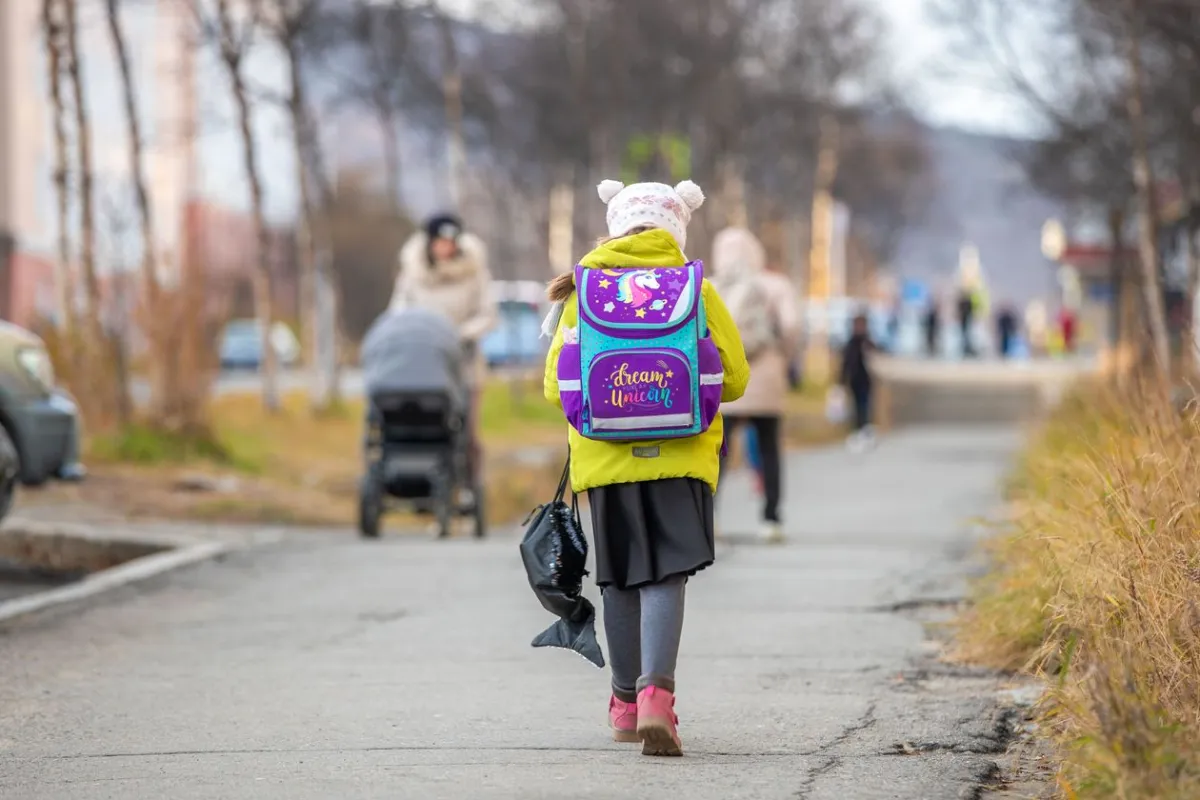 Photo: Sergei Starostin on Pexels
The journey at a glance
- Register the whole family with Skatteverket to get personnummer. See our personnummer guide.
- Get BankID so you can use the kommun's e-services.
- Under 6? Apply for förskola straight away. The kommun has up to four months to offer a place.
- 6 or older? Apply for a school place through your kommun, or contact its reception unit for newly arrived pupils.
- Join queues for friskolor and international schools if you want them. They run their own queues.
- Ask for mother-tongue lessons and fritidshem (after-school care) once you have a place.
How Swedish schooling is organised
| Age | Stage | Cost |
|---|---|---|
| 1 to 5 | Förskola (preschool), optional | Income-based fee, capped |
| From August of the year they turn 3 | Allmän förskola, 15 hours a week | Free |
| From August of the year they turn 6 | Förskoleklass, compulsory | Free |
| 7 to 16 | Grundskola (compulsory school), years 1 to 9 | Free, lunch included |
| 16 to 19 | Gymnasium (upper secondary), optional | Free |
Changing in 2028: Sweden is moving to a ten-year compulsory school from autumn 2028. Förskoleklass becomes the new year 1, existing year groups move up one, and compulsory school ends with year 10.
The school year starts in mid-August and ends in early June, with breaks in autumn, at Christmas, in February (sportlov) and at Easter.
Official source: Skolverket: ten-year compulsory school and new curricula (in Swedish)
Step 1: Förskola (ages 1 to 5)
Who gets a place: children from age 1 get förskola for as long as parents work or study. If a parent is on parental leave with a younger sibling or looking for work, the child still gets a place for a shorter day, usually at least 15 hours a week.
The place guarantee: by law the kommun must offer a place within four months of your application. Stockholm's own rules promise a place within about three months, counted from the month after you apply. The guarantee is for a place in the kommun, not at your first choice.
How to apply in Stockholm:
- Wait for your child's personnummer. Stockholm lets children moving from abroad join the queue once they have one. The district can make exceptions, so ask if you are stuck.
- Apply in the e-service Min Barnomsorg with BankID. Moving to Stockholm from another Swedish kommun? Apply before you move and give your new address.
- List up to five förskolor in order of preference and the month you want your child to start.
- Answer an offer within five days. Saying yes keeps your place in the queue for the förskolor you ranked higher.
- Inskolning: plan for about one or two weeks of settling in, with a parent at the förskola for the first days.
Places are given first to children with special needs, then to siblings of children already there, then by queue time.
Independent förskolor have their own queues, often with a queue date from the child's birth. Many are excellent and cost the same as kommun ones.
Official source: Stockholms stad: rules for förskola places (in Swedish, PDF)
What förskola and fritidshem cost
Fees are set by each kommun but capped nationally (maxtaxa). The fee is a percentage of your household's gross monthly income, and from 1 July 2026 the first SEK 10,000 of income is not counted. The most you pay each month from 1 July 2026:
| Child | Förskola | Fritidshem |
|---|---|---|
| First (youngest) child | SEK 1,547 | SEK 1,031 |
| Second child | SEK 1,031 | SEK 516 |
| Third child | SEK 516 | SEK 516 |
| Fourth child and more | Free | Free |
- The highest fee is for your youngest child.
- From age 3 the 15 free hours a week usually lower the fee. Check your kommun's rules.
- Report your income to the kommun when you get a place and whenever it changes. The kommun can check it against Skatteverket's records later.
Official source: Skolverket: maxtaxa 2026 (in Swedish)
Step 2: School (förskoleklass and grundskola)
Every child who lives in Sweden has the right to go to school, and children registered here must go. School is free, including books, materials and a hot lunch every day.
If you arrive during the school year: contact your kommun as soon as you have an address. In Stockholm:
- Newly arrived pupils (new to Sweden, or in Swedish schools for less than four years) without a school place: your guardian contacts START Stockholm, which handles reception, school placement, a first knowledge assessment and a health talk.
- Moving to Stockholm from elsewhere in Sweden: apply in the Söka skola e-service with BankID or Freja during the windows after the term has started, for example 1 to 15 October for a November start.
If you arrive before the school year: Stockholm's main application window for the next school year is 15 January to 12 February, with a reserve place window from 9 April to 6 May for families who recently moved.
School choice: you can ask for any kommun school, not just the nearest. If a school is full, the kommun uses its selection rules, which usually favour children who live close by. Apply to several schools to improve your chances.
What happens on arrival: the school assesses your child's knowledge within the first two months and places them in a suitable year and group. Expect Swedish as a second language (svenska som andraspråk) and, where available, study guidance in your child's mother tongue. Bring school reports, any special needs reports, and vaccination records, translated into English if needed.
Fritidshem (after-school care) is open to children from förskoleklass to about age 12 while parents work or study. Apply through the kommun's e-service once you have a school place.
Official sources: Stockholms stad: how to apply to school (in English), Stockholms stad: newly arrived pupils (in English)
Friskolor, English and international schools
Friskolor (independent schools) follow the Swedish curriculum, are free and are open to all, but they run their own queues, usually by queue date, with priority for siblings.
- Join queues early. Popular friskolor, such as Internationella Engelska Skolan (IES), where many lessons are in English, can have very long queues.
- Ask about the newcomer quota. Some friskolor are registered to keep a small number of places for pupils who have lived in Sweden for less than two years. Ask each school whether it has one.
- Most ask for a personnummer when you join the queue or accept a place, so register your child early.
International schools teach an international curriculum or another country's curriculum, mostly in English. Stockholm lists these at compulsory school level:
- International School of the Stockholm Region (ISSR): municipal, IB Primary and Middle Years Programmes, taught in English. Open to children whose parents work in Stockholm on a time-limited contract.
- Independent international schools such as Stockholm International School, Futuraskolan International, The Tanto International School and International School of Kungsholmen. These may charge fees; check each school.
International schools are mainly meant for families staying in Sweden for a limited time. If you plan to stay long-term, a Swedish school gives your child the language and friendships that make life here easier.
Official source: Stockholms stad: international schools at compulsory level (in English)
Mother-tongue lessons (modersmål)
Your child can keep Hindi, Tamil, Telugu, Malayalam, Bengali, Marathi or another home language through modersmål lessons.
- Your child has the right if a parent has the language as their mother tongue, the family uses it every day at home, and the child already has basic knowledge of it.
- The school must arrange it if at least five pupils with the same school organiser (the kommun, or the friskola's owner) want lessons in the language and there is a suitable teacher. Large Indian languages often meet this in big cities.
- Apply through the school's principal, usually once a year before the school year. Ask the school for the form and deadline.
- Lessons are often after school and may be at another school.
- In förskola, staff should help children develop their mother tongue too, even without formal lessons.
Official source: Skolverket: right to mother-tongue lessons (in Swedish)
Older children: gymnasium (ages 16 to 19)
Gymnasium is free and voluntary. Teenagers who have not finished compulsory school with grades in Swedish usually start on the language introduction programme (språkintroduktion), which focuses on Swedish and helps them move on to a national programme. Contact your kommun's gymnasium admissions office as soon as you arrive. English-language options include the IB Diploma Programme at several schools.
Common problems
- "We can't queue your child without a personnummer." Register the family with Skatteverket quickly. If you are waiting a long time, ask the district or school about an exception.
- The förskola offered is far from home. Accept it to secure a place, and stay in the queue for your preferred förskolor. You can transfer when a place comes up.
- Four months have passed and no place. Contact the kommun and refer to the place guarantee in the Education Act.
- The international school is full. Join the waiting list, take a kommun school place meanwhile, and keep checking.
- Your child is placed in a lower year. Ask how the assessment was done and when it will be reviewed. Bring evidence of previous schooling.
- Fees seem too high. Check that the kommun has your current income and that the 15 free hours from age 3 have been applied.
Useful official links
- Skolverket: ten-year compulsory school (in Swedish)
- Skolverket: maxtaxa 2026 (in Swedish)
- Stockholms stad: rules for förskola places (in Swedish, PDF)
- Stockholms stad: how to apply to school (in English)
- Stockholms stad: newly arrived pupils (in English)
- Stockholms stad: international schools (in English)
- Skolverket: right to mother-tongue lessons (in Swedish)
- Our guide: how to get a personnummer in Sweden
- Our guide: Försäkringskassan for newcomers
- Our guide: SFI, free Swedish classes for parents
Common questions
At what age do children start förskola and school in Sweden?
Förskola (preschool) is offered from age 1. Every child gets free förskola for 15 hours a week from August of the year they turn 3. Compulsory school starts with förskoleklass in August of the year a child turns 6. From autumn 2028 förskoleklass becomes year 1 of a ten-year compulsory school.
How long does it take to get a förskola place?
The kommun must offer a place within four months of your application. Stockholm promises a place within about three months. The place may not be at your first choice, so apply as soon as you can.
How much does förskola cost?
Fees are capped by law and based on household income. From 1 July 2026 the most you pay for your first child is SEK 1,547 a month, then SEK 1,031 for the second and SEK 516 for the third. The fourth child is free. The 15 free hours a week from age 3 are deducted in many kommuner.
Is school free in Sweden?
Yes. Kommun schools and independent schools (friskolor) that follow the Swedish curriculum charge no fees. Books and school lunch are free. International schools that follow another curriculum may charge fees.
Do I need a personnummer to get a school place?
Children who live in Sweden have the right to go to school, and the kommun must arrange it. In practice the e-services and queues ask for a personnummer, so register the whole family with Skatteverket early. In Stockholm, children moving from abroad can join the förskola queue once they have a personnummer.
Can my child go to an English-language school?
Yes, but places are limited. Stockholm has international schools such as the municipal International School of the Stockholm Region (IB, for families on time-limited work contracts) and several independent ones that may charge fees. Bilingual friskolor such as Internationella Engelska Skolan are free but have long queues.
Can my child learn Hindi, Tamil or another Indian language at school?
Often yes. A child has the right to mother-tongue lessons (modersmål) if a parent has that language as their mother tongue, the family uses it daily at home and the child has basic knowledge of it. The school must arrange it if at least five pupils with the same school organiser want the language and a teacher is available. Apply through the school's principal.
What happens if my child does not speak Swedish?
That is normal. The school assesses what your child knows, places them in the right year and gives them Swedish as a second language. Many get study guidance in their mother tongue or in English for the first period.
More guides for newcomers
- Finding a home in Sweden
- Sweden residence permit from India for work or study
- How to get a personnummer in Sweden
- How to get a Swedish ID card
- How to open a bank account and get BankID in Sweden
- Försäkringskassan for newcomers
- Healthcare in Sweden: 1177 and choosing a vårdcentral
- SFI in Sweden: how to sign up for free Swedish classes
- NRE and NRO accounts after moving to Sweden
- Indian driving licence in Sweden and getting a Swedish licence